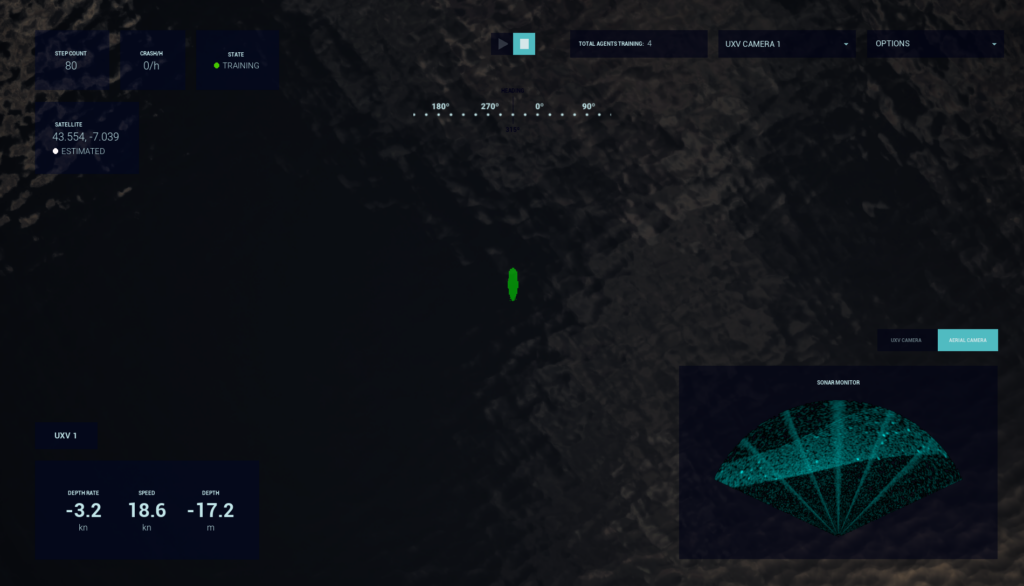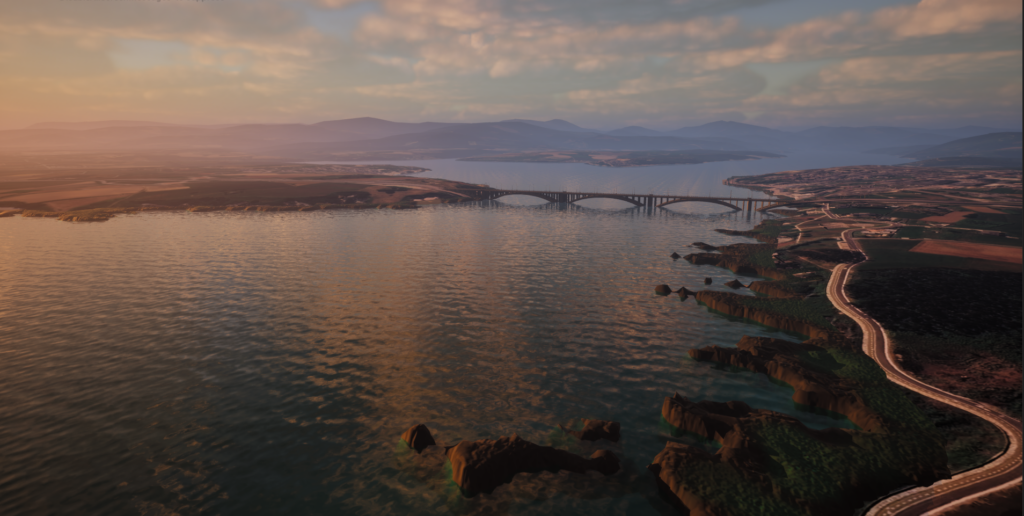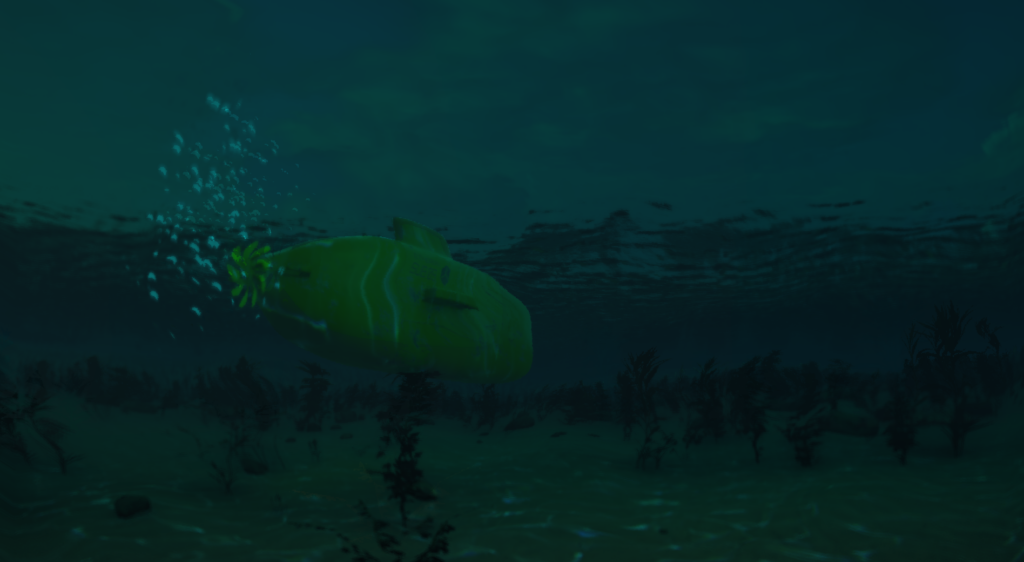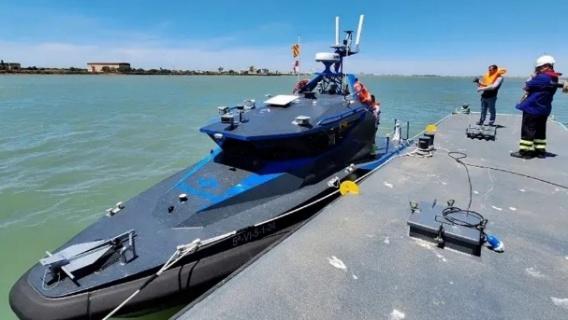
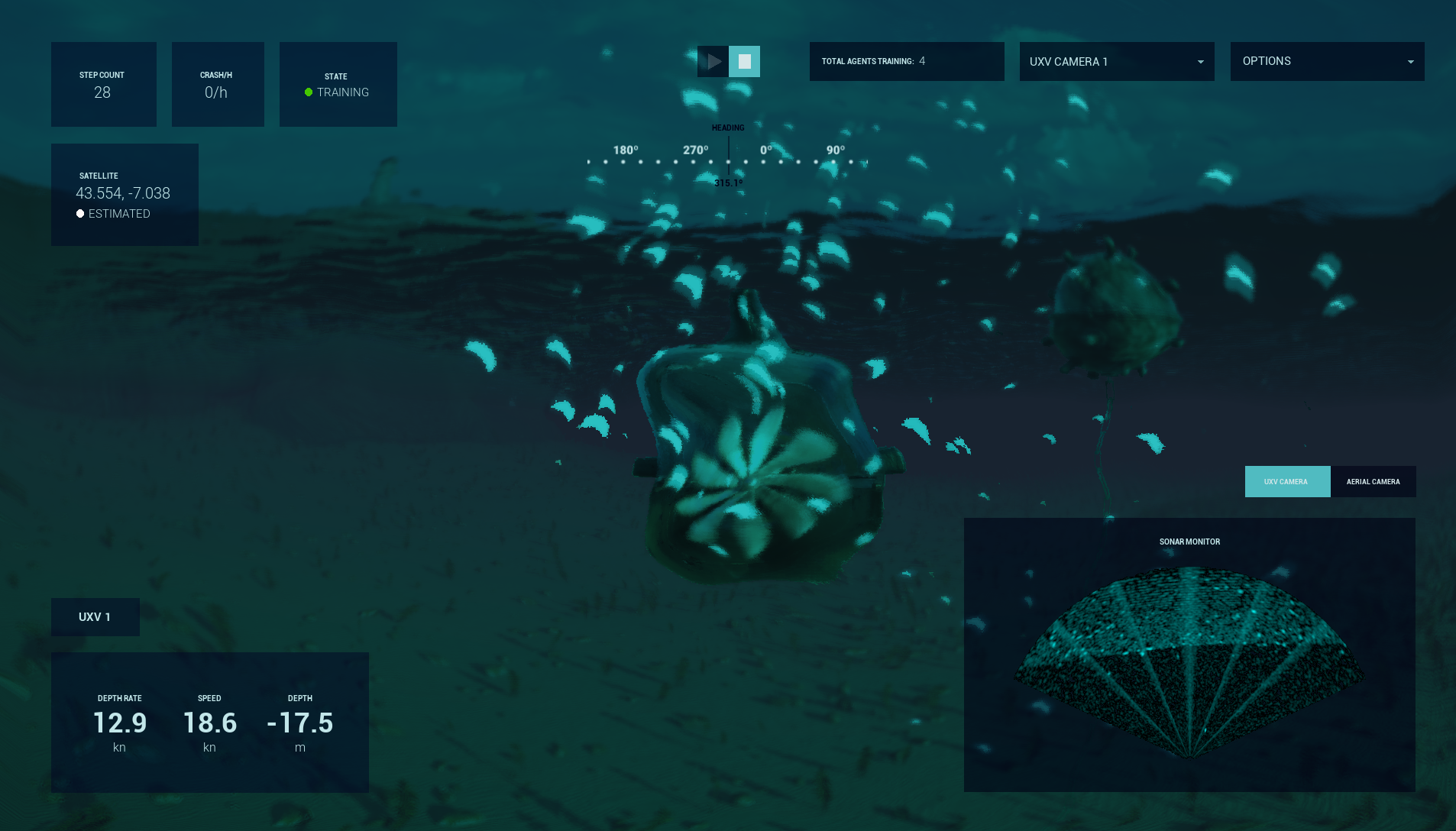
The consortium behind the BLUESIM project—comprising CLUE Technologies, Navantia, ITT Norte and SAES—held its operational demonstration on 22 January, marking the completion of its R&D activities. Selected under the 2023 call of the PERTE for the Naval Sector, led by the Ministry of Industry, Trade and Tourism, the project has developed a proof of concept to assess whether artificial intelligence algorithms for unmanned vehicles (UxVs) can be trained in high‑fidelity simulated marine environments.
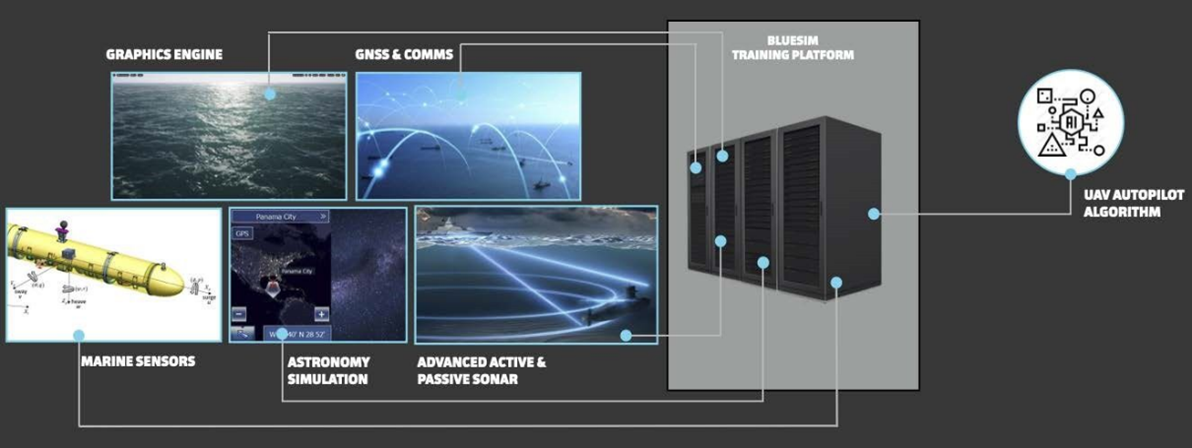
The primary objective of BLUESIM has been to validate, in a controlled setting, that AI systems can learn to carry out specific missions using data generated through hyper-realistic simulations based on the Unreal Engine graphics platform. The project has progressed from an initial TRL1 definition phase to a TRL3 stage of technological maturity, where a proof of concept has successfully been executed—laying the foundations for future system development and applications.
SAES has played a crucial role in recreating the underwater acoustic environment and developing the simulation module for underwater sensors, both essential for ensuring that AI algorithms are exposed to realistic conditions during training. Its key contributions include defining the functional and quality requirements of the simulated environment, modelling acoustic propagation in complex scenarios, and building the synthetic sonar module in Unreal Engine. This module integrates a forward‑looking sonar (FLS) and a side‑scan sonar (SSS), used to detect obstacles and classify seabed objects. The company has also participated in functional and performance testing, as well as in validating the data generated during the simulations.
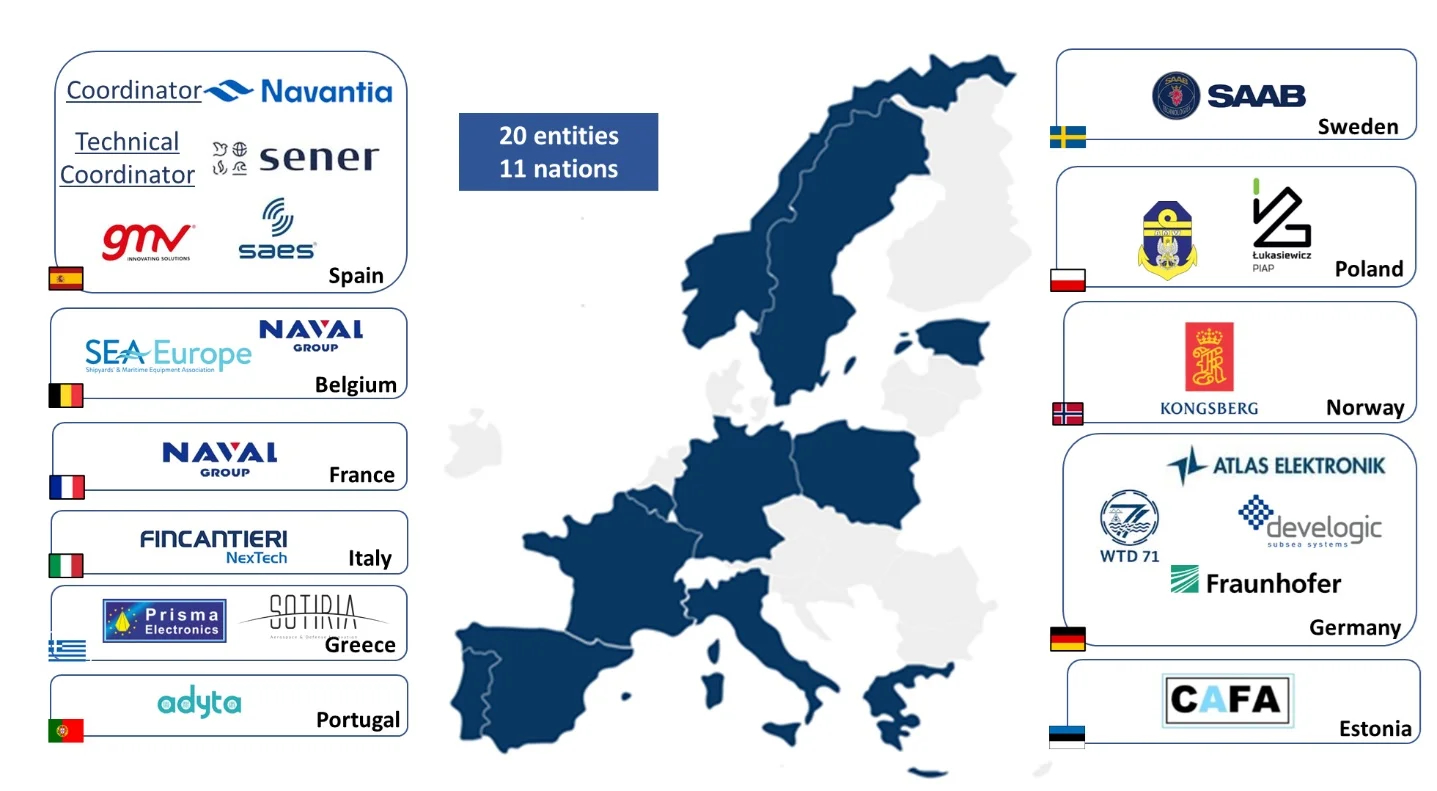
The project partners comprised CLUE Technologies, the main project coordinator responsible for the hardware and software of the UxV simulation environment, as well as the system’s manufacturing and integration; ITT Norte, in charge of developing the GNSS modules for UxVs and the node‑to‑node communications; and Navantia, responsible for defining the high‑level requirements and roadmap as a potential end user. The project also benefited from the collaboration of IH Cantabria, which provided the hydrological dynamics simulation of the Ribadeo estuary, the environment selected for use in the simulations.
The operational demonstration has shown that the platform is stable and capable of generating complex data—including synthetic sensors—required for the early stages of machine learning. The results confirm the validity of the approach and pave the way towards higher levels of technological maturity, where more demanding scenarios and advanced autonomous decision‑making capabilities can be incorporated.
BLUESIM forms part of the initiatives promoted under the PERTE for the Naval Sector, aimed at driving digitalisation, sustainability and innovation within Spain’s maritime industry. The project represents a significant step forward in the use of advanced simulation for the development of future autonomous systems in the naval domain.