Cookie policy

COOKIE POLICY

This Cookie Policy provides information about cookies or similar technologies that are or may be installed on your device when you access and use this https://electronica-submarina.es website (“the website”).

In the context of this Cookie Policy the term “cookies” is used to refer to cookies and similar technologies, such as pixels, web beacons or fingerprinting techniques.

This website may use cookies that enable the processing of your personal data.

For more information on how we use your data, please visit our web user privacy policy in the Privacy Center of our website, or by email at dpd@electronica-submarina.com.

WHAT ARE COOKIES?

A cookie is a file that is downloaded to the user’s device (computer/smartphone/tablet) when accessing certain web pages, in order to store and retrieve information about browsing habits made from the equipment.

TYPES OF COOKIES

There are different types of cookies. They all work in the same way, but have small differences:

  • Session Cookies: Session cookies have a set duration, this is based on the duration of the browser’s visit, and are deleted when the browser is closed. Their main purpose is to identify the type of device, support the security of the website and its basic functionality. They do not contain personal information that allows us to identify a person.
  • Persistent or Permanent Cookies:This type of cookies are stored on the hard drive of the device, and the browser reads them each time you make a new visit to the website. They have an expiration date, and once expired, the cookie stops working. They allow us to identify your actions and preferences; analyze visits and help us understand how users reach our site and improve our services.
  • Functionality Cookies: They allow the website to remember decisions made by the user, such as your login or identifier. The information collected by these cookies is anonymized (i.e., it does not contain your name, address, or other sensitive data).
  • Third Party Cookies: Third-party cookies are the cookies necessary to make use of external applications on our website; for example, those used by social networks (such as Facebook) or by external content plugins (such as Google Maps). In addition, some advertising companies use this type of files to track your visits on each site on which they advertise.
  • Analytical Cookies: These are cookies that are intended for periodic maintenance and ensure the best performance and service to the user; collecting data on their activity. Performance Cookies: These are used to improve the browsing experience and optimize the operation of the website, such as, for example, storing service configurations, or storing the purchase made in a shopping cart.
  • Advertising Cookies: These are those that collect information about the advertisements shown to users of the website. They can be of two types:
    • Anonymous Cookies: They only collect information about the advertising spaces displayed on the website, regardless of the user accessing the website, i.e., without expressly identifying him/her.
    • Customized Cookies: They collect personal information of the website user by a third party, for the customization of such advertising spaces.
  • Geolocation Cookies: These Cookies are used to find out in which country or region the user is located when accessing a service of the website in order to offer him/her contents or services appropriate to his/her location.

INFORMATION ON THE TREATMENT OF COOKIES

  • Responsible for the treatment: Sociedad Anónima de Electrónica Submarina S.M.E., (SAES)
  • NIF: A79144267
  • Company address: Ctra. Algameca s/n, 30205, Cartagena (Murcia, Spain)
  • Contact of the Data Protection Delegate: dpd@electronica-submarina.com

Legal basis for processing

For the use of non-excepted cookies, the processing of these is based on the user’s consent. The user may at any time withdraw their consent in relation to the Cookies Policy, and may delete the cookies stored on their equipment through the settings and configurations of their Internet browser. For more information see the section “User settings to avoid Cookies” of this Policy.

For the use of excepted cookies, the treatment of cookies is based on legitimate interest.

DATA CATEGORIES

If you accept the use of cookies, we will treat the following data:

With respect to own cookies:

  • Customization:
    • ID of the user’s device.
    • Advertising action that originates the visit.
    • Last searches performed in the search engine.
  • Analysis:
    • ID of the user’s device.
    • Source of the visit.
    • Pages or sections you browse on the website.

With regard to third-party cookies: we recommend consulting their respective policies, indicated in the “more information” section, to inform you about their recipients.

COOKIES USED BY THIS WEBSITE

Further information on the cookies used on this website is set out below:

Cookie Name Purpose Expiration Date Type Type.
wpml_browser Technical and strictly necessary cookie containing the session identifier Deleted when the browser is closed. Technical
_icl_current_language Technical and strictly necessary cookie containing the session language Technical
ginger-cookie Technical and strictly necessary cookie containing the value of whether the installation of cookies has been accepted It expires one year since the last update Technical
_ga Google Analytics cookie that enables the unique visits monitoring function. The first time a user enters the website through a browser this cookie will be installed. When this user re-enters the website with the same browser, the cookie will consider that it is the same user. Only in the event that the user changes browser will it be considered another user. It expires two years after the last update. Analytics
Google Translate They offer the possibility of translating the page into other languages to users whose browser is not configured in Spanish. – Google Privacy Policy
SAES Allow the user to view the page and interact with it.
Utma Used to distinguish users and sessions. The cookie is created when the JavaScript library is executed and there is no __utma cookie. The cookie is updated each time data is sent to Google Analytics. It lasts for two years from the time it is set or updated Analytics
__utmt It is used to limit the percentage of requests It has a duration of 10 minutes Analytics
__utmb It is used to determine new sessions or visits. The cookie is created when the JavaScript library is executed and there is no __utmb cookie. The cookie is updated each time data is sent to Google Analytics. It lasts 30 minutes from the time it is set or updated. Analytics
_utmc. It is not used in ga.js. It is set to interact with urchin.js. Previously, this cookie acted in conjunction with the __utmb cookie to determine if the user was in a new session or visit. It lasts until the end of the browser session. Analytics
__utmz. Stores the traffic source or campaign that explains how the user arrived at the site. The cookie is created when the JavaScript library is executed and is updated each time data is sent to Google Analytics. It lasts six months from the time it is set or updated. Analytics
_utmv Used to store visitor custom variable data. This cookie is created when a programmer uses the _setCustomVar method with a visitor custom variable. It was also used for the retired _setVar method. The cookie is updated each time data is sent to Google Analytics. It lasts two years from the time it is set or updated. Analytics
Popup Used to know if the user has seen and accepted the use of cookies on the site Technical
PHPSESSID Session cookie to work correctly with the PHP programming language. Technical
Social Networks and other websites On other sites where SAES has a page or social profile, third-party cookies are installed on all its visitors, even if they are not registered users on the corresponding platforms: Facebook Cookie Page, Twitter Privacy Page, LinkedIn Cookie Page, Google Cookie Page. The use of cookies and IP address tracking files allows SAES to collect data for statistical purposes such as: date of first visit, number of times visited, date of last visit, URL and domain from which it came, browser used and screen resolution.

Additional information about Google Analytics.

If you give us your consent, this website will make use of Google Analytics, a web analytics service provided by Google (with registered office at 1600 Amphitheatre Parkway, Mountain View, CA 94343, United States of America). Google Analytics uses “cookies” to help analyze the use of the website. The information generated by the cookies about your use of the website will be sent to and stored by Google on servers in the United States.

Google will not associate the IP addresses transferred in the context of Google Analytics with any other data in its possession.

For more information, visit https://support.google.com/analytics/answer/6004245?hl=es

HOW TO DISABLE OR REMOVE COOKIES?

You can withdraw your consent to the use of cookies or modify your cookie preferences at any time by clicking on this link.

Below, we make available to you information to enable you to configure your Internet browser/browsers to maintain your privacy and security in relation to cookies. Therefore, we provide you with information and links to the official support sites of the main browsers so you can decide whether or not to accept the use of cookies.

So, you can block cookies through the browser configuration tools or you can configure your browser to warn you when a server wants to save a cookie:

  • If you use Microsoft Internet Explorer, in the menu option Tools > Internet Options > Privacy > Settings.More Information.
  • If you use Firefox, under the menu option Tools > Options > Privacy > Cookies.More Information.
  • If you use Chrome, under Options > Advanced > Privacy.More Information.
  • If you use Opera, under Security & Privacy, you can configure the browser.More Information.
  • If you use Safari, in the Preferences > Security or Privacy option, you will be able to configure Browser.More Information.
  • If you use another browser, please refer to its policy for installing, using and blocking cookies.

WHAT HAPPENS IF COOKIES ARE DISABLED?

Some functionality of the Services and areas of this website may not function properly if cookies are disabled.

DATA SUBJECTS

Sociedad Anónima de Electrónica Submarina S.M.E., (SAES) may communicate the data collected to authorities and public bodies, for compliance with a required legal obligation, as well as to service providers and third parties necessary for the management and execution of cookies.

With respect to the third parties identified in the cookies table, we recommend consulting their respective policies.

TRANSFERS TO THIRD COUNTRIES

Sociedad Anónima de Electrónica Submarina S.M.E., (SAES) processes your data within the European Economic Area and, in general, we hire service providers also located within the European Economic Area or in countries that have been declared with an adequate level of protection.

If we need to use service providers who carry out processing outside the European Economic Area (hereinafter referred to as EEA) or in countries that have not been declared with an adequate level of protection, we would ensure that we guarantee the security and legitimacy of the processing of your data.

To do so, we require appropriate safeguards from those service providers in accordance with the General Data Protection Regulation so that they have, for example, binding corporate rules that ensure the protection of information in a manner similar to that established by European standards or that they subscribe to European Union standard clauses.

In the event that you accept certain third-party cookies, information may be transferred outside the EEA. With respect to the third parties identified in the cookie table, we recommend consulting their respective policies, indicated in the “more information” section.

WHICH ARE YOUR RIGHTS?

RIGHTS Access You may consult your data included in the databases of the Data Controller.
Rectification You may modify your personal data when they are inaccurate.
Deletion You may request the deletion of your personal data.
Opposition You can object to the entity processing your personal data when the legal basis for the processing is legitimate interest.

You can also object to receiving commercial information by sending an email to the address: dpd@electronica-submarina.com with subject “UNSUBSCRIBE”.

If you object to communications for commercial purposes, you should know that the entity may send information related to the products or services contracted such as: informing about the blocking of cards; requests for transactions made from a non-habitual location; informative communication that may affect current contracts, etc.

Opposition to automated decisions In case we make any decision in an automated way, you can object and ask for the decision to be reviewed by a person; as well as; express your point of view or challenge the decision, where appropriate.
Portability You have the right to ask us to transfer your data to you directly or to another third party. This right, will only apply when we carry out automated processing on the basis of your consent or because you have a contract with the entity.
Limitation You may request the limitation to the processing of your data when:

– You consider that they are not accurate.

– They have been processed unlawfully.

– They are not necessary for the purposes intended, but you want them to be kept for use in the event of a complaint.

– You have objected to some of the processing based on legitimate interest.

Withdrawing the consent given You may withdraw your consent at any time without affecting the processing previously carried out. In any case, your consent will remain in force as long as you do not withdraw it.
How can you exercise your rights?

Requests can be sent:

– In writing to the e-mail address dpd@electronica-submarina.com

– By post or in person: Ctra. Algameca s/n, 30205, Cartagena (Murcia, Spain)

In the case of requests for rights, the data controller will carry out the appropriate and necessary inquiries to collate and ensure the identity of the applicant. Without prejudice to the foregoing, identity can be accredited through one of the following methods:

Provide a copy of a document proving identity (DNI, NIE, Passport or equivalent document).

Electronically sign the document with a valid digital certificate.

Claims before the control authority.

In the event that you consider that your data protection rights have been violated, or your request has not been properly addressed, you can file a complaint with the Supervisory Authority (Spanish Data Protection Agency) at https://www.aepd.es/es.

MODIFICATION OF THE COOKIES POLICY

Sociedad Anónima de Electrónica Submarina S.M.E., (SAES) may modify all or part of this Cookie Policy if required by applicable law or in order to adjust it to the cookies actually used on the Website and in any related electronic communication.

FURTHER INFORMATION.

For more information about our Privacy Policies and how we use your personal data you can contact us through any of the means mentioned throughout this policy.

Last version date: 13th February 2024

.
Participation in national and international consortia

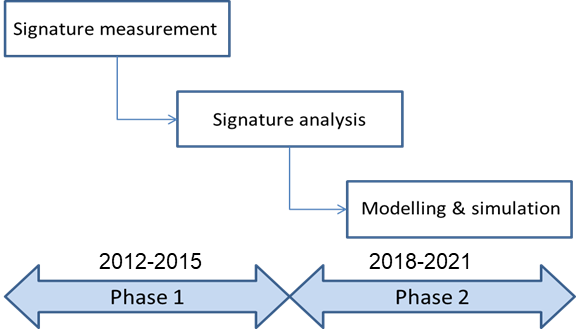
SAES is a member of the consortium selected under the European Defence Agency (EDA) call for tender focused on Advanced Materials for Acoustic Signature Management (AMASM).

The successful proposal was submitted by a consortium of Spanish organisations coordinated by the Naval Technology Centre (CTN). Phase 1 of the contract covers a 12‑month period and includes the following activities:

  • Assessment of the technological landscape
  • Definition and selection of defence-sector use cases
  • Requirements definition, prioritisation, and the specification of an AMASM proof of concept for a laboratory environment (up to TRL 3)

SAES’s contribution to the AMASM project is primarily focused on the Work Package dedicated to Roadmap Definition, where it leads the task of identifying and defining use cases within the defence sector. In addition, SAES contributes across the remaining work packages, particularly in the Proof of Concept simulation activities.

SAES is part of the consortium responsible for delivering the NEREUS project, selected under the European Defence Fund (EDF) 2024 call. The consortium is composed of 24 organisations from one country and is led by Navantia. The project has a duration of 42 months and commenced in November 2025.

The objective of NEREUS (Naval System of Systems and Integrated Survivability of Future EU Platforms) is to establish the foundations for intelligent naval system-of-systems concepts for future European maritime platforms. These platforms are expected to operate in a fully integrated and interconnected manner within multi-domain environments, with a strong emphasis on survivability.

SAES’s contribution to the NEREUS project focuses on several key areas, including underwater sensors, underwater communications, signature management, combat cloud technologies and digital twin capabilities.

SAES has been selected by the Regional Development Institute of Murcia (INFO) to deliver a solution to the challenge CAETRA 2024-01 – Intelligent Control of Underwater Pollution, set by the Port Authority of Cartagena (APC), within the framework of the INFO grants for open innovation in the fields of Defence, Security, Reconstruction and Development under the CAETRA programme.

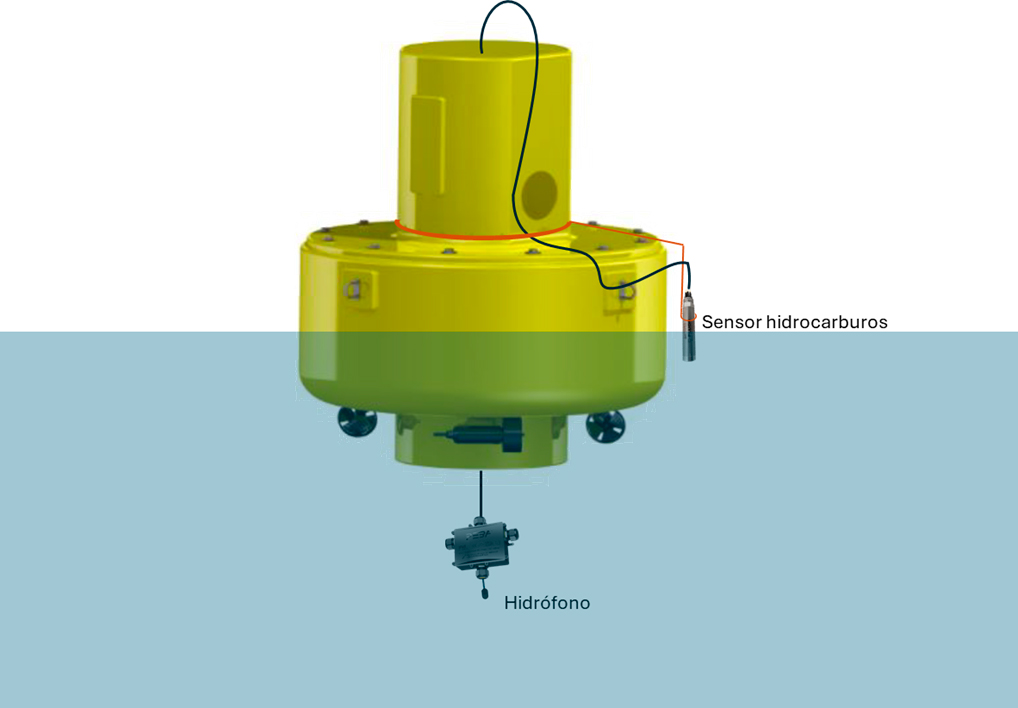
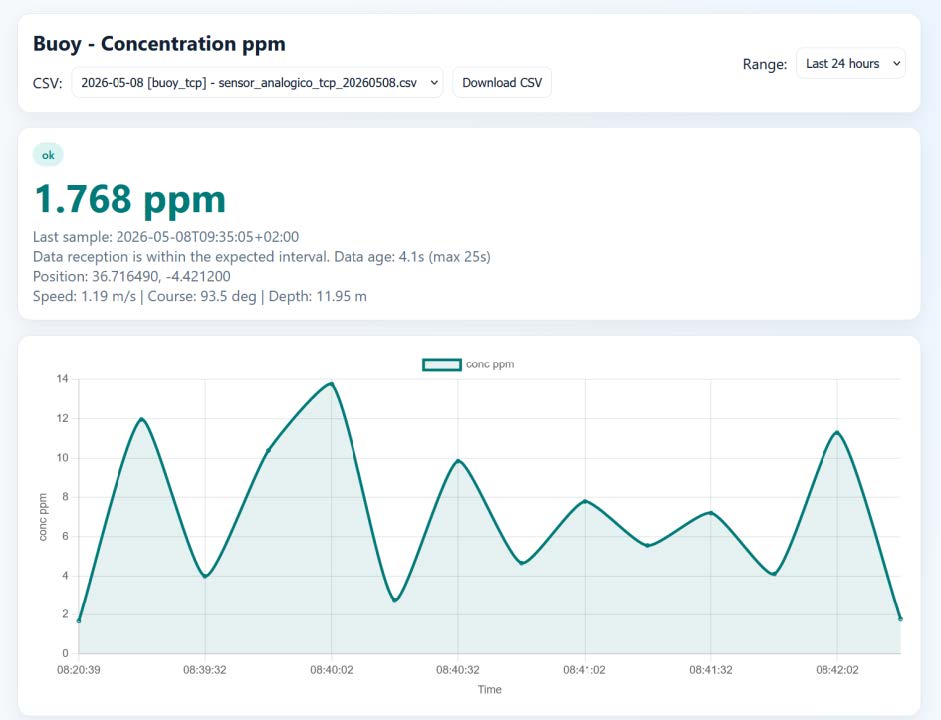
SIMBAAD (Smart Marine Monitoring System Based on an Advanced Buoy) aims to implement and carry out at-sea trials (in a port environment) of an intelligent buoy integrating multiple sensors for the real-time monitoring and control of acoustic, electric, magnetic and chemical pollutant emissions in the marine environment. The project contributes to biodiversity protection and supports compliance with the European Marine Strategy Framework Directive.

The project began in May 2025 and is scheduled for completion in May 2026.

SAES ha participado como miembro del consorcio que ha desarrollado el proyecto BLUESIM seleccionado en la convocatoria de 2023 del PERTE del Sector Naval del Ministerio de Industria, Comercio y Turismo.

El consorcio está integrado por 5 entidades nacionales y coordinado por la empresa Clue Technologies. Su fecha de finalización ha sido junio de 2025

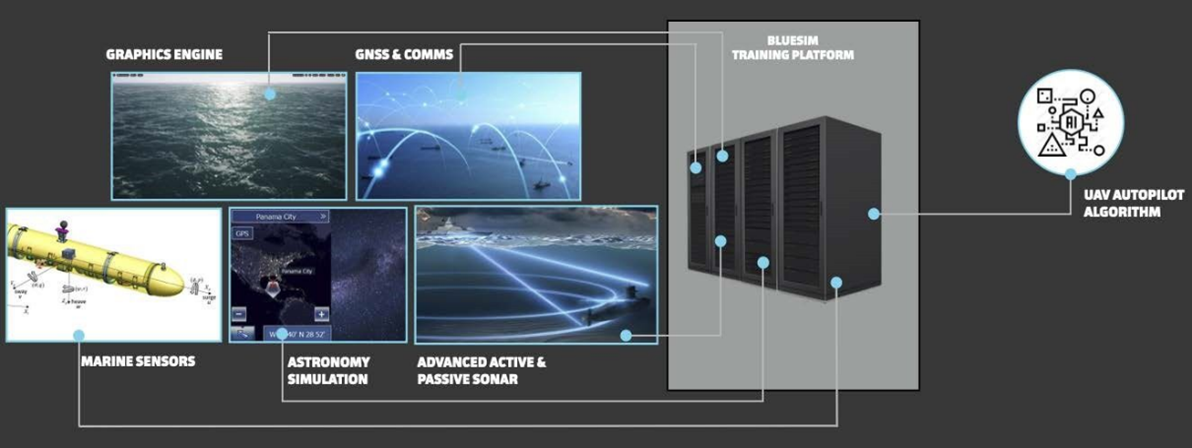
BLUESIM (Synthetic Training Platform for Autonomous UxVs) focuses on the research of a new type of training architecture for Artificial Intelligence (AI) systems based on deep learning. The project targets two initial applications: the characterisation of a synthetic marine environment for deep learning and the representation of Unmanned Surface Vehicles (USVs) and Unmanned Underwater Vehicles (UUVs) with synthetic systems.

SAES lidera dos paquetes de trabajo dentro de este proyecto, relativos a: Caracterización del entorno acústico marino, en el que simula el entorno acústico adaptado a las condiciones del escenario de operación de los UxVs y Modelo de simulación de sensores acústicos y sus interfaces en el que simula un Sonar de Barrido Lateral (SBL) y un sonar de visión frontal. Además participa en otros paquetes de trabajo relativos a actividades como definición de requisitos, definición de la arquitectura del sistema e integración y pruebas del sistema completo.

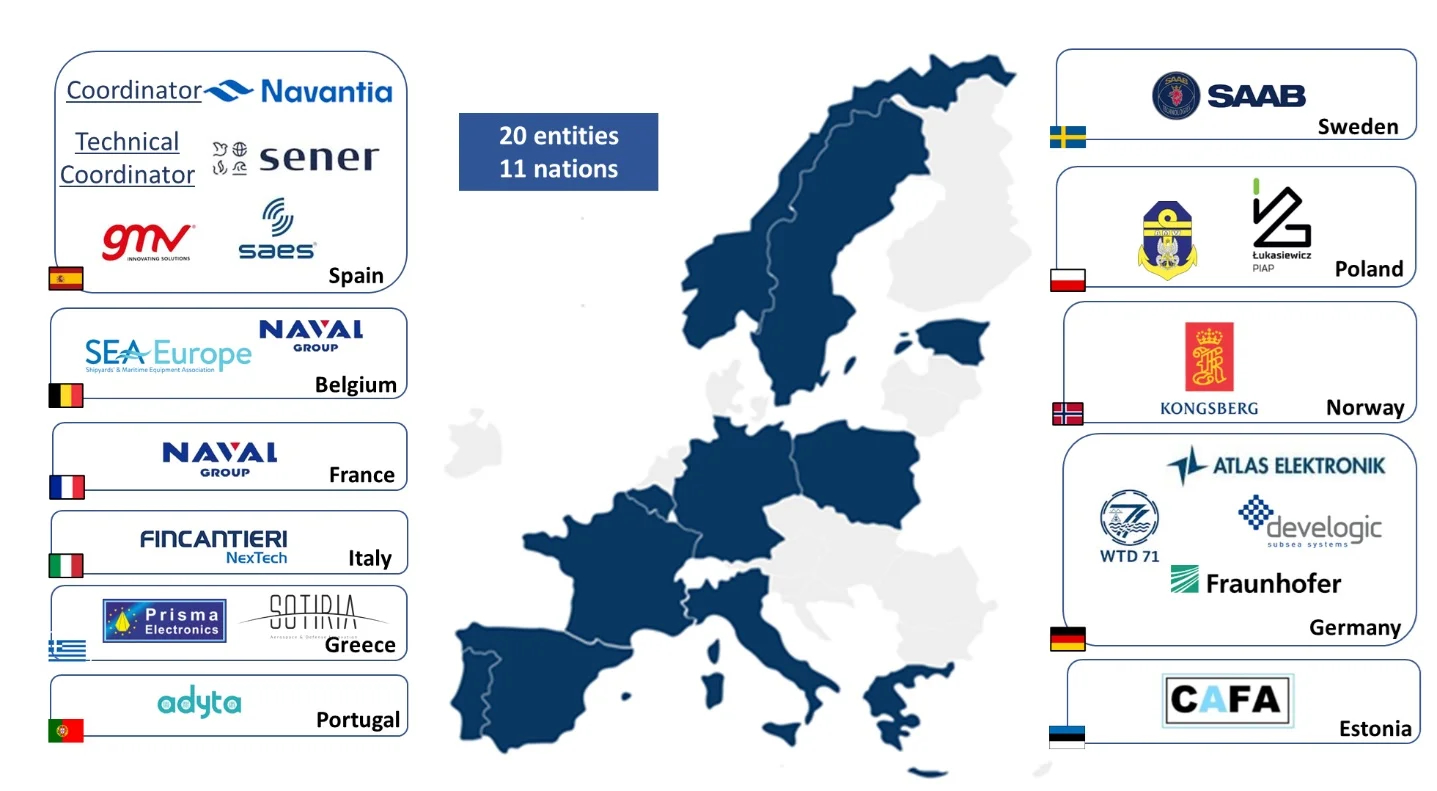
SAES is a member of the consortium delivering the European E=MCM project, selected under the European Defence Fund (EDF) 2023 call. The consortium brings together 21 organisations from 11 countries and is led by Naval Group Belgium.

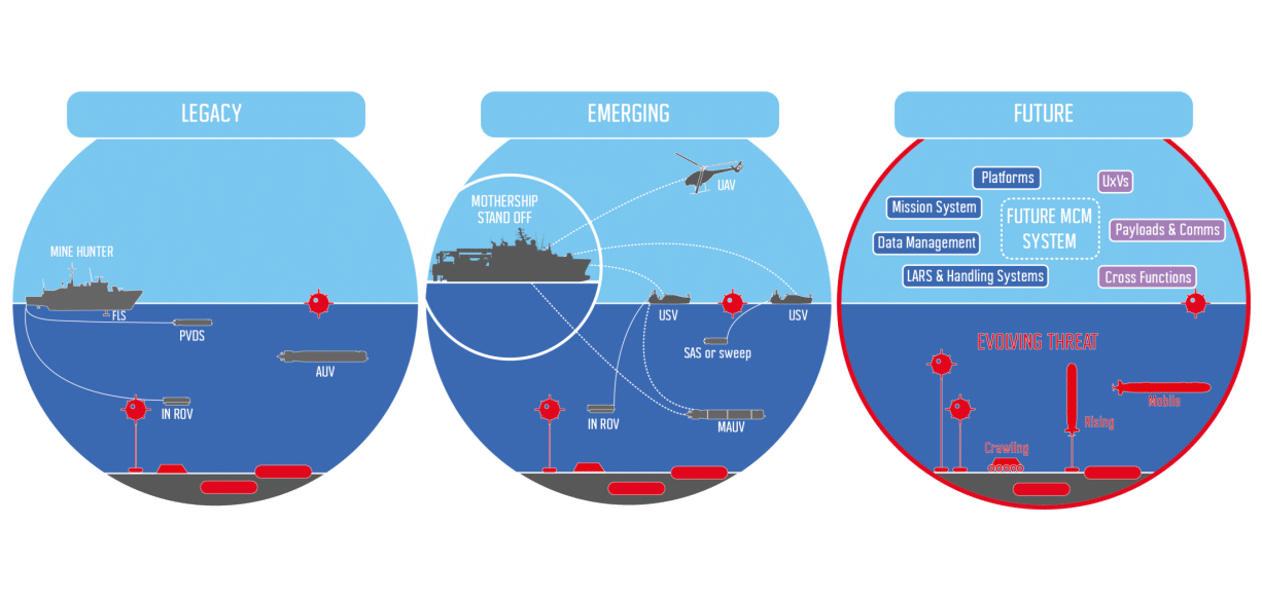
The project focuses on the Mine Countermeasures (MCM) domain and builds on the results achieved in its predecessor, MIRICLE (2021–2023), in which SAES also participated.

Diagram

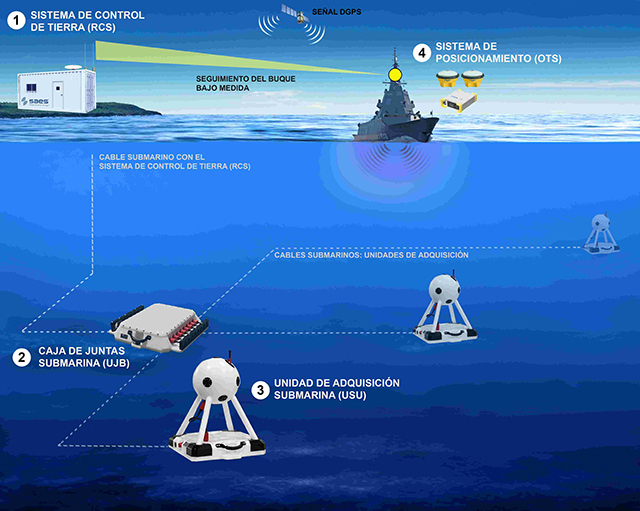
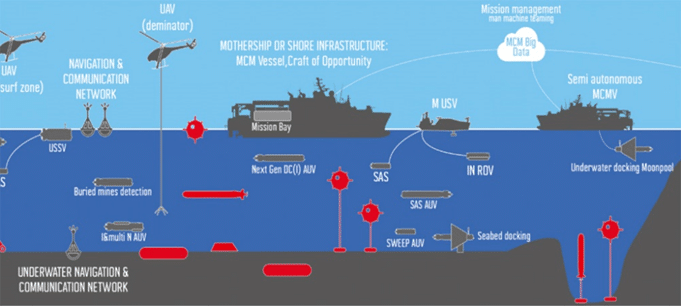
The objective of E=MCM is to develop a system-of-systems architecture comprising advanced, scalable toolboxes of autonomous vehicles and intelligent platforms, alongside decision-support functions, to address mine threats, particularly drifting, moored and buried mines.

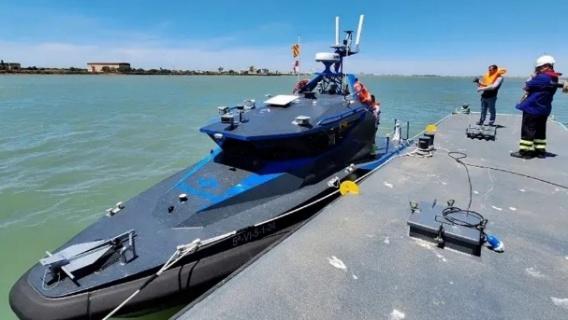
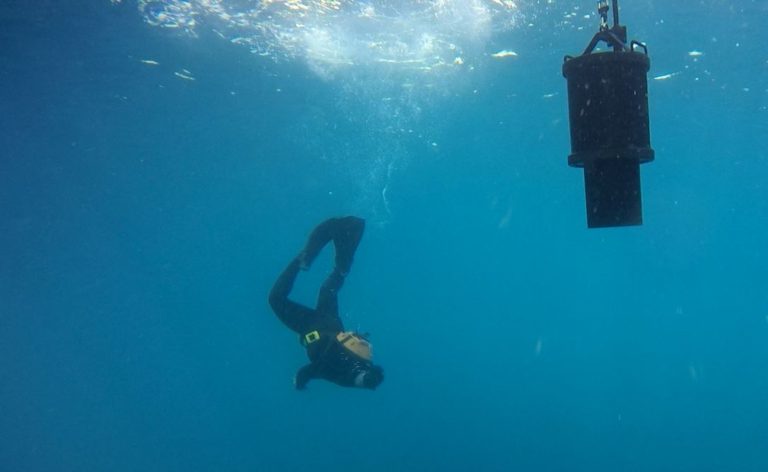
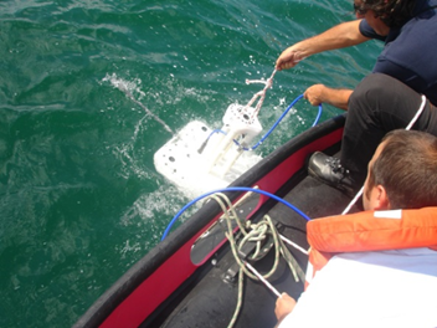
SAES’s contribution to the project is primarily centred on the development and at-sea testing of a multi-influence minesweeping system, capable of generating acoustic, electric and magnetic influences, to be integrated into Navantia’s Viento-class unmanned surface vehicle (USV)

A group of people on a boat in the sea

In addition, SAES will develop a software tool for mine threat assessment and a system for reducing the electric and magnetic signatures of USVs. All these activities fall within SAES’s technological priority area of New Threats and Scenarios.

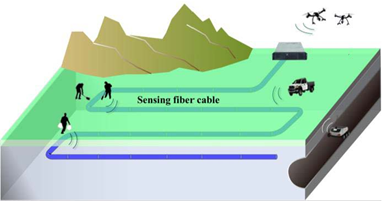
SAES has been selected by the Regional Development Institute of Murcia (INFO) to deliver a solution to the challenge Monitoring of Critical Road and Hydraulic Infrastructure (MIC), set by the Directorate-General for Security and Emergencies of the Region of Murcia. This initiative forms part of the INFO open innovation grants programme in the fields of Defence, Security, Reconstruction and Development, under the CAETRA framework.

The objective of the project is to develop a prototype based on the use of fibre optic cables as sensing elements, enabling the monitoring of the structural condition of critical infrastructure, such as bridges, viaducts and dams.

The project began in July 2024 and is scheduled for completion in January 2026.

SAES has participated in the development of the European SONORA project since November 2022; it was selected in the JPI (Joint Programming Initiative) 2022 call Oceans: Underwater Noise in the Marine Environment. The project has a duration of three years.

SAES participates as an entity subcontracted by the University of Alicante (UA) and the Polytechnic University of Valencia (UPV), which are both part of the consortium in charge of developing the project in conjunction with three Italian entities.

SONORA (thresholds assessment and impact beyond acoustic pressure level linked to emerging blue-growth activities), undertakes the assessment of quantitative thresholds related to behavioural and physiological impacts on fish, based on the relationships between acoustic pressure and particle movement, to evaluate the impact both variables exert.

SAES’s role in SONORA focused on carrying out measuring campaigns of sound pressure levels and particle motions, as well as analysing the data gathered.

SAES is part of the consortium led by the Centre for Naval and Marine Technology (CTN) selected by the CINEA (European Climate, Infrastructure and Environment Executive Agency) to develop the tender CINEA/2022/OP/0019.

ECOSS (European Catalogue of Sound Signatures) is focused on developing an open library containing a verified and continuously expanding digital catalogue, alongside an AI-based classifier for individual underwater sound signatures in shallow water marine environments

The project began in September 2023, and its completion date was set for January 2025. The consortium is composed of seven entities from five European countries.

SAES’s participation focuses on data collection and the choice of the AI-based algorithms, as well as on their training and testing.

SAES is part of the consortium developing the ePark+ project, selected for funding in the 2022 Science and Innovation Missions call by the CDTI, and which was supported by the Spanish Ministry of Science and Innovation. In addition to SAES, the following entities make up the project’s consortium:

  • Navantia (Coordinator)
  • ABANCE
  • ARISNOVA
  • EOLOS
  • PERSEO TECH

Participating as sub-contracted entities: Technical University of Cartagena (UPCT), AICIA (University of Seville), and FIDESOL.

This is a collaborative project which will contribute to the technological development of offshore wind power. It began in December 2022 and completed in January 2025.

The ePark+ project is focused on research and development of different digital technologies for the Support of Operations and Maintenance (O&M) in offshore wind farms. The project seeks to obtain a technological demonstrator of a Smart System for this function making use of unmanned vehicles, as well as developing a prototype to show its operation in a relevant and controlled setting.

The system will consist of an Unmanned Surface Vehicle (USV), which will act as a mothership from which Unmanned Aerial Vehicles (UAVs) and Unmanned Underwater Vehicles (UUVs) will operate, as well as a remote-control centre where all the data received from the sensors on the unmanned vehicles will be centralised.

SAES’s contribution to the ePark+ programme focuses on underwater acoustic propagation and the surveillance of underwater infrastructures by means of sensors installed on the vehicles.

SAES’s participation in this project demonstrates the applicability of technology from the defence sector to the civilian sector, broadening the diversification of the applications of these dual technologies. In the field of unmanned systems, SAES is an expert in sensors in the field of unmanned vehicles to adapt them to other uses through the utilisation of artificial intelligence techniques..

SAES is part of the international consortium developing the SWAT-SHOAL (Swarm and teaming operation of Manned & Unmanned Underwater Vehicle SHOAL) project, selected in the European Defence Fund (EDF) 2022 call in the area of Underwater manned-unmanned teaming and swarms.

SWAT-SHOAL, which began in December 2023, will run for 36 months. It its being developed by a consortium of 20 entities from 12 European countries, coordinated by the Spanish entity NAVANTIA.

The SWAT-SHOAL project is developing the concept of a system-of-systems that integrates different types of manned and unmanned assets as a swarm to achieve greater efficiency in underwater missions such as surveillance, reconnaissance, mine warfare, collaborative engagements, or supporting amphibious operations.

SAES’s participation is centred:

  • on leading Work Package 5 (WP5), focused on identifying technology gaps and defining future roadmaps to eliminate those gaps.
  • participating in the work packages related to: scenario definition and requirements capture, System-of-Systems requirements, platforms and components, communication technology.
  • participating in the work packages related to simulating the demonstration, preparation and execution of the sea demonstration.

SAES is part of the international European consortium developing the UnderSec (Underwater Security) project, selected in the Horizon Europe 2022 call in the topic of Underwater detection and control capabilities

The consortium responsible for the development of the project is composed of a total of 22 entities from 7 European countries and is coordinated by the German entity Fraunhofer. The project has a duration of 36 months, with and its scheduled completion is in October 2026.

A prototype system using a modular approach consisting of systems, sensors and robotic assets will be developed within the scope of the project for the surveillance of ships, ports and maritime infrastructures, and will include demonstrations in real operational settings.

SAES leads Work Package 3 (WT3) Protection technologies for continuous underwater surveillance, potential threats’ detection for early warning and deter actions. For this, SAES will develop a barrier of magnetic sensors for the detection of possible intruders and will provide its DDS-03 Diver Detection Sonar and its DES diver access deterrence system. Furthermore, it will participate in other work packages related to activities such as the definition of operational concepts, system integration, and prototype testing.

SAES has participated in the dTHOR project since December 2022, chosen in the European Defence Fund (EDF) 2021 call, in the category of Smart vessels, area: Digital Ship Structural Health Monitoring.

The project had a duration of 36 months and was developed by a consortium of 35 entities from 9 European countries, coordinated by the Norwegian entitiy SINTEF.

dTHOR (digital ship sTructural Health mOnitoRing) develops the next generation of a predictive structural health monitoring system for ships. This system is based on the innovative use of: large amounts of load and response measurements obtained from robust and advanced sensors, a digital environment compatible with recognised open standards for data exchange, and hybrid analysis and modelling, which combines physical and data-driven models.

SAES’s participation in dTHOR focuses on the areas of modelling, including the development of the ship’s vibration-noise transfer function, selection of sensors for acoustic signature acquisition, and management of underwater radiated noise.

SAES is part of the consortium of entities developing the EPC (European Patrol Corvette) project, selected in the 2021 call of the European Defence Fund, in the category: Offshore patrol vessel, theme: Modular and multirole patrol corvette.

The EPC began in November 2023, has a duration of 24 months, and is being developed by a consortium of 35 entities (including beneficiaries, affiliated entities, and subcontracted entities) from 12 European countries, coordinated by the Franco-Italian entity NAVIRIS.

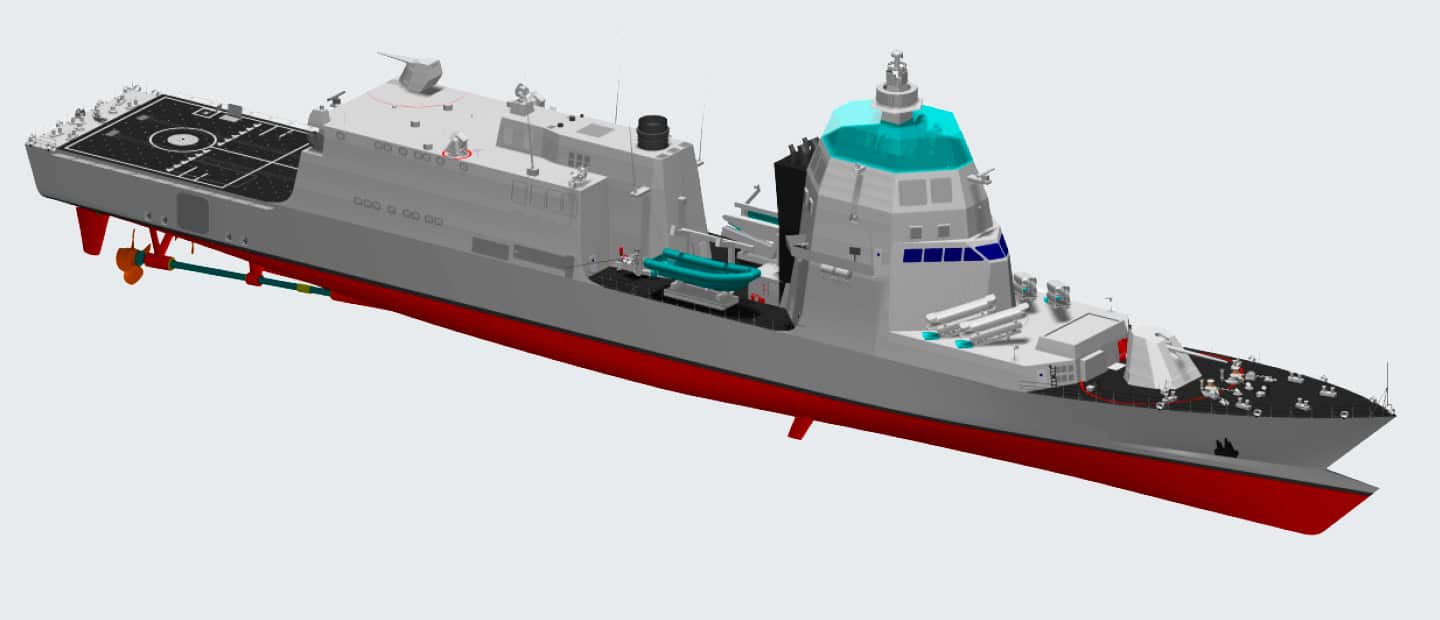
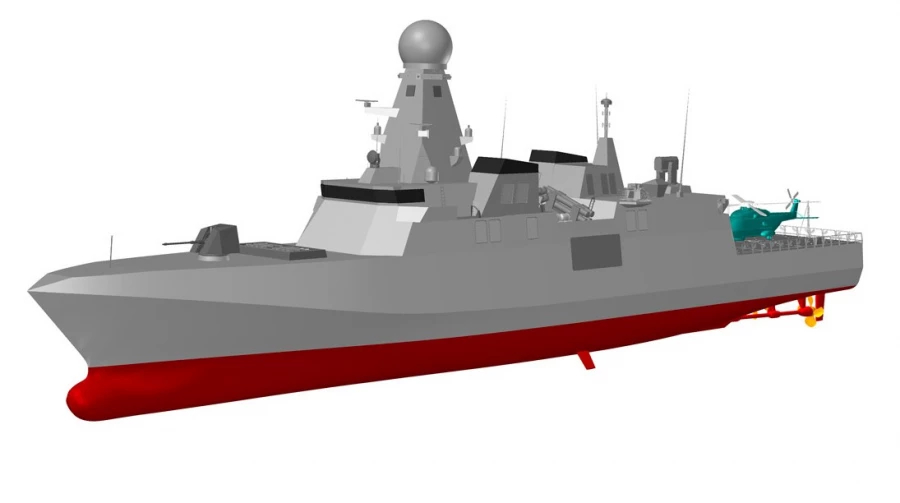
The EPC project is focused on the development of conceptual studies, up to the initial design, of a reference corvette-class ship, capable of carrying out a wide range of missions in future operational contexts. The design produced will lead to the development of a modular and flexible ship, more energy-efficient, more environmentally friendly and safe, and more interoperable and cyber-secure compared to current configurations.

SAES’s participation in EPC is focused on the active management of the ship’s multi-influence signatures, including:

  •  Measurement and analysis of the ship’s underwater signature.
  • Prediction and control of acoustic, electric, and magnetic signatures.
  • Acoustic noise monitoring system.
  • Digital twin for acoustic signature management and control.
  • Tool for evaluating the corvette’s detectability against naval mines.

SAES has participated in the development of the MIRICLE project (December 2021 to December 2023), selected for funding by the European Commission in the 2020 EDIDP (European Defence Industrial Development Program) call, under the theme: Solutions to detect, identify, counter, and protect against the threat of mines, including those operating at great depths.

The project has been developed by a consortium composed of 18 entities from 10 European nations and coordinated by the French entity Naval Group.

MIRICLE (Mine Risk Clearance for Europe) addresses the main components of an innovative mine countermeasure solution, such as: mission system, communication network, MCM (Mine Countermeasure) vessel, and robots, using Artificial Intelligence to support decision-making and leading to significant improvements in the execution of MCM missions. More specifically, it will enable European navies to benefit from the highest and most interoperable military mine countermeasure capabilities, in accordance with NATO recommendations.

SAES’s participation in the project is focused on two areas: reduction of electric and magnetic signatures, including the definition, design, development, and testing of an electromagnetic signature reduction system, and the study, analysis, and evaluation of the mine threat.

SAES had participated in the development of the METASUB project (November 2021 to November 2024), selected in the 2020 COINCIDENTE call (Cooperation in Scientific Research and Development in Strategic Technologies) by the Spanish Ministry of Defence.

The consortium responsible for the execution of METASUB was composed of the following entities: CTN (coordinator), Navantia, and SRG, with SAES participating as a subcontracted entity of CTN.

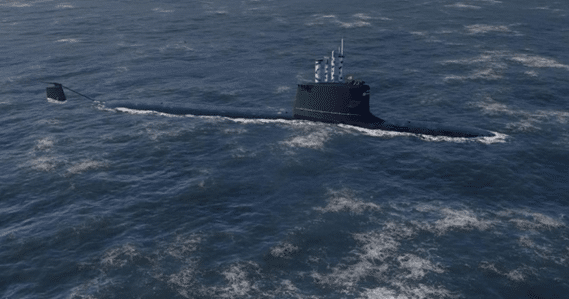
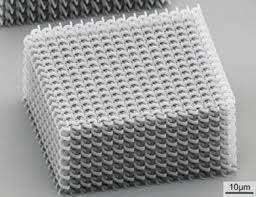
The METASUB project (Acoustic Materials for the Reduction of Submarine Signatures) is focused on implementing a methodology to obtain different configurations of panels, based on metamaterials, that improve the acoustic performance of the current panels on the superstructure of the Navy’s submarines.

SAES’s participation in METASUB focuses on the following areas: defining the configurations of interest for which the design, optimisation, and manufacturing will be customised, and defining the frequency ranges of interest for each application and the design objectives for the reduction of the electromagnetic signature.

Additionally, SAES participates in the definition and execution of a marine environment test to verify the real-world behaviour of a large object previously designed and manufactured, as well as in potential tests for acoustic and electromagnetic isolation and absorption at sea of a larger-scale sphere.

SAES was integrated in the international consortium that is developing the SEA Defence project (December 2020 to May 2023), chosen for grants in the EDIDP (European Defence Industrial Development Programme) 2019 call. EDIDP is the precursor programme in the field of technological development of the current European Defence Fund (EDF) focused on promoting innovation, research and technological development at all stages of the life cycle of defence products and technologies.

The consortium has been constituted by a total of 12 entities from eight European countries and coordinated by the Dutch DAMEN shipyard. SAES participated under the modality of Third-Party Related Entity of Navantia.

The SEA DEFENCE (Survivability, Electrification, Automation, Detectability, Enabling Foresight of European Naval Capabilities in Extreme conditions) project is aimed at providing the European Commission and the Member States with a complete and up-to-date roadmap on the technologies to be included in next generation naval platforms.

SAES participated in the project within Work Package 3 Lower Detectability, centred on identifying technological gaps and detailing the actions to be developed to counteract the threat created by the growing detection capacities of new sensors, both on the surface and underwater, and the ways to counteract that threat by means of reducing the detectability of naval platforms, on the basis of current and emerging technologies.

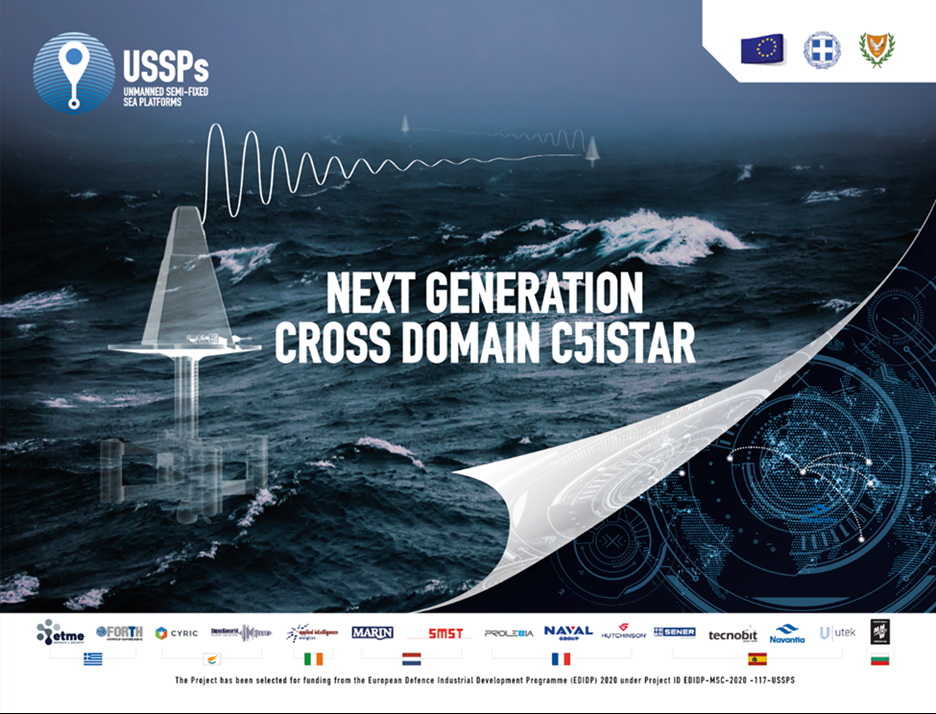
SAES is part of the consortium of European entities that is developing the USSPS (Unmanned Semi-fixed Sea Platforms) project selected by the 2019 European Commission call on the topic: Maritime surveillance generated by networks of sensors based on fixed and/or semi-fixed unmanned platforms.

The chosen consortium is made up of a total of 17 entities from seven European countries and is coordinated by the Greek entity ETME. SAES participates under the modality of Third-Party Related Entity of Navantia. The project has a duration of 42 months and is scheduled to finish in May 2025.

The project is focused on the development of a prototype unmanned platform which is highly autonomous, energy-efficient, based on miniaturised oil rig technologies and equipped with a wide range of air, surface and underwater sensors. This platform could be deployed in any geographical area, including in deep waters, and in adverse weather conditions, thus making it particularly versatile in its operations.

SAES’s participation is focused on integrating its DDS-03 Diver Detection Sonar and its associated DES system into the platform, to deter divers from approaching the protected area by emitting acoustic messages. SAES also participates in developing the requirements and in the design of the prototype of the complete system.