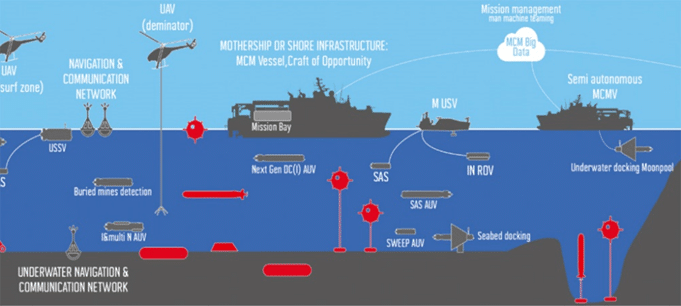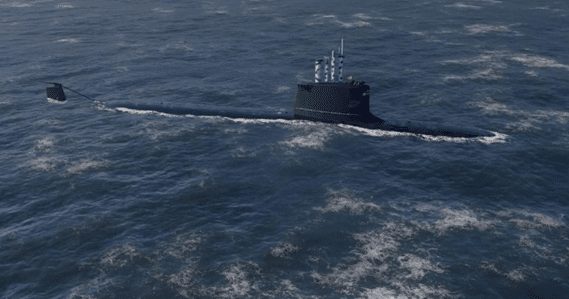
Indra and six other Spanish companies, Aragon Photonics, Iqua Robotics, SAES, Sateliot, UTEK and FYLA, have joined forces to develop sovereign capabilities for the surveillance and protection of critical underwater infrastructure. Led by Indra, the companies are driving the SIPRIS initiative, which will bring together command and control systems, sovereign intelligence and AI capabilities, unmanned vehicles, sensors and communications technologies to deliver an integrated picture of the maritime environment, from the surface to the seabed. The agreement was finalised at Euronaval, the international naval defence exhibition, where Spanish industry has reinforced its position as a European pioneer in underwater surveillance technologies.
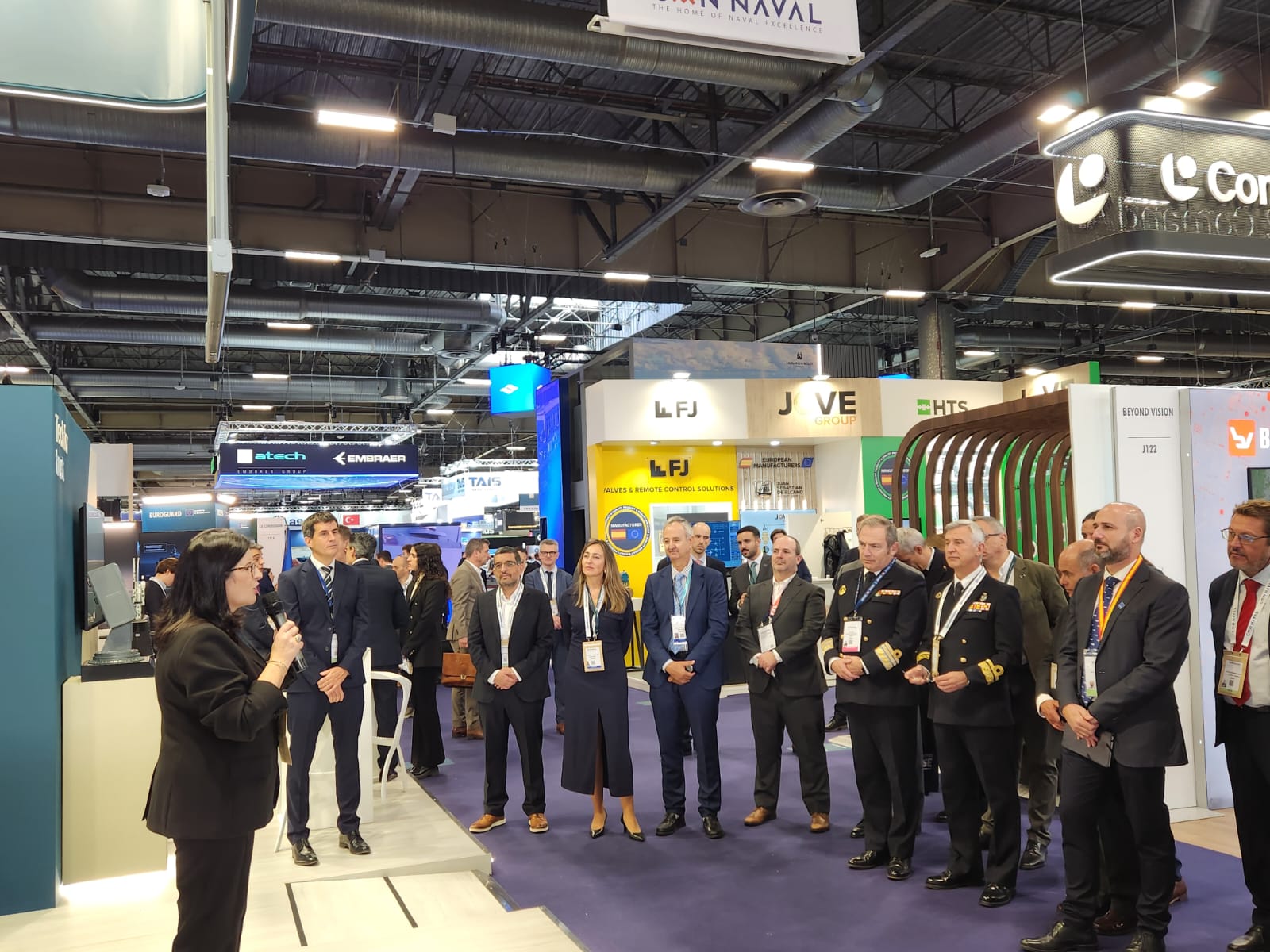
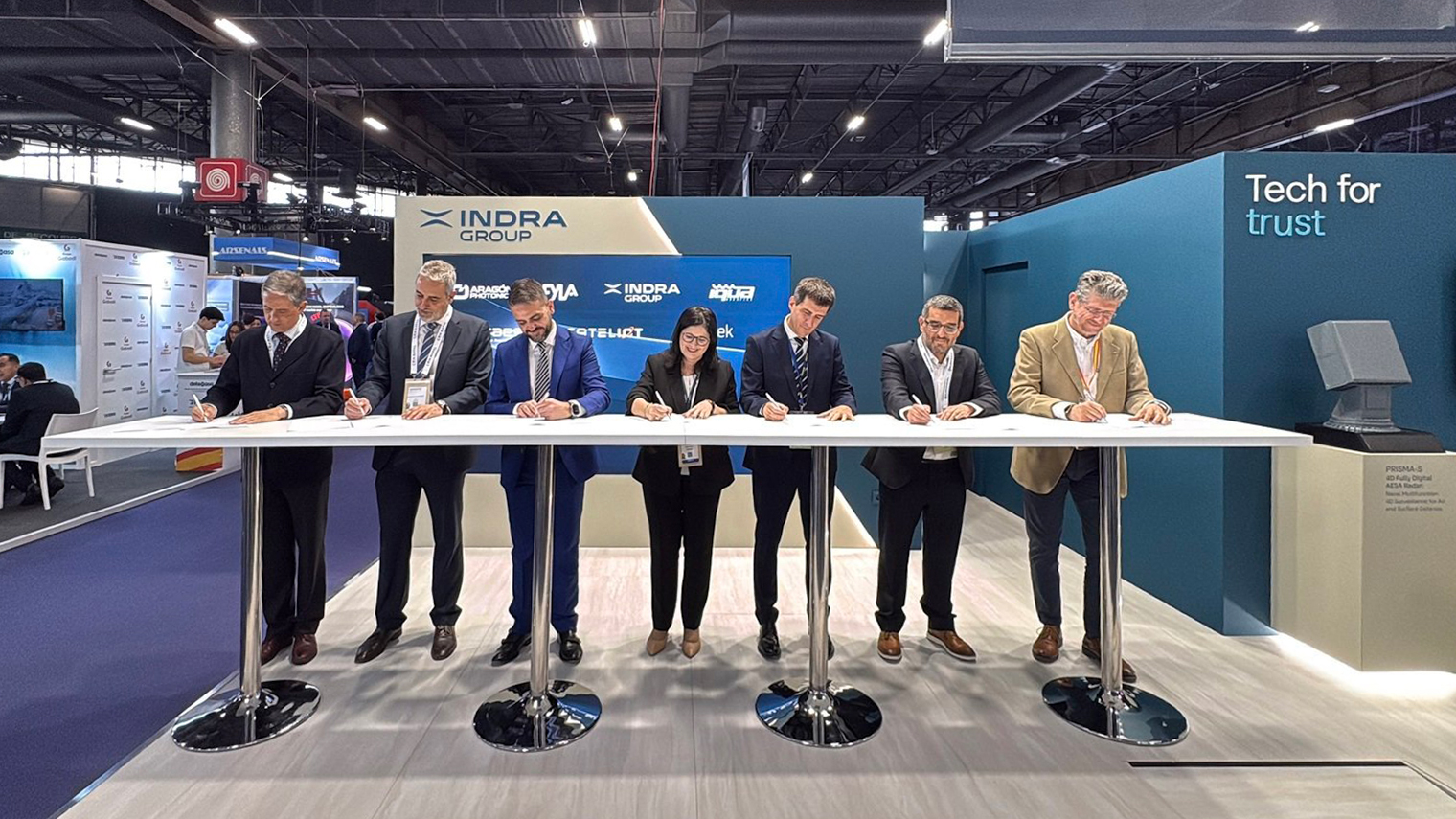
Indra, SAES, UTEK, Aragon Photonics, Iqua Robotics, FYLA and Sateliot have today signed a Memorandum of Understanding (MoU) to develop sovereign capabilities for persistent surveillance and the protection of underwater infrastructure through the SIPRIS project. The agreement was signed at Euronaval, the leading international naval defence event, taking place in Paris from 3 to 6 November.
The Memorandum of Understanding was signed at Indra’s stand by Ana Belén Buendía, Head of Indra’s Naval Business Unit; César Solano, Managing Director of SAES; César Martínez Fernández, CEO of UTEK; Francisco López Torre Pere Pérez Millán, CEO of FYLA; and Jaume Sanpera Izoard, CEO of Sateliot.
Ana Belén Buendía, Director of Indra’s Naval Business Unit, said: “The SIPRIS initiative aims to provide Spain with technological sovereignty and its own capabilities to operate in a domain where military activity is increasing as advanced autonomous systems become more prevalent.” She added: “Collaboration between Spanish companies with cutting-edge and complementary capabilities will enable us to build an integrated solution, strengthen our technological autonomy and position Spanish industry at the forefront of a field with enormous potential for future development.”
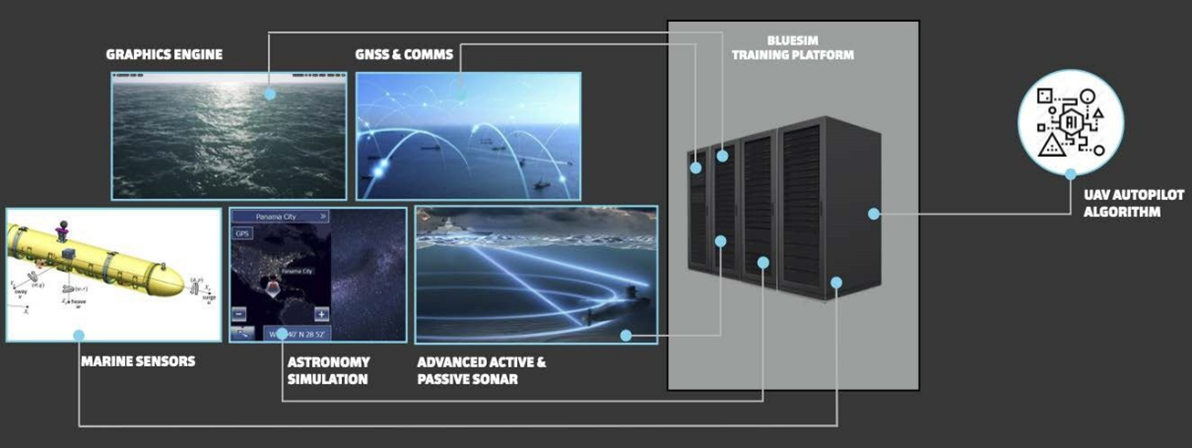
Indra will act as the integrator of the overall solution and coordinator of the ecosystem, as well as defining the system architecture. The solution will build on SEADEF, the company’s family of naval command and control products, and IndraMind, its sovereign AI-powered intelligence and data exploitation platform. Indra will also contribute unmanned aerial vehicle (UAV) capabilities and communications management expertise.
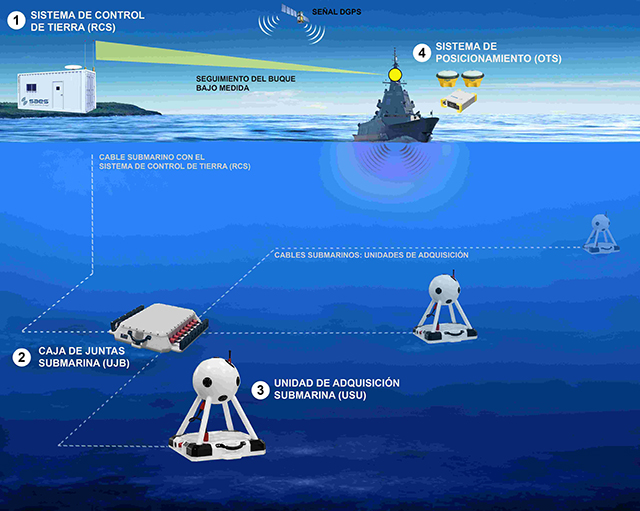
SAES, for its part, will bring its expertise in underwater acoustics to the alliance, including the development of acoustic sensors and advanced sonar processing solutions for the detection and classification of underwater threats and activities. SAES Managing Director César Solano Márquez, who signed the memorandum on behalf of the company, said: “Seabed surveillance requires sovereign technology and an industrial base capable of sustaining it over the long term.” Solano stressed that “SIPRIS demonstrates what Spain’s strategic companies can achieve when they bring together complementary capabilities to address a challenge that none could tackle alone”, adding that “SAES contributes its expertise in underwater acoustics and sonar processing to this joint effort.”
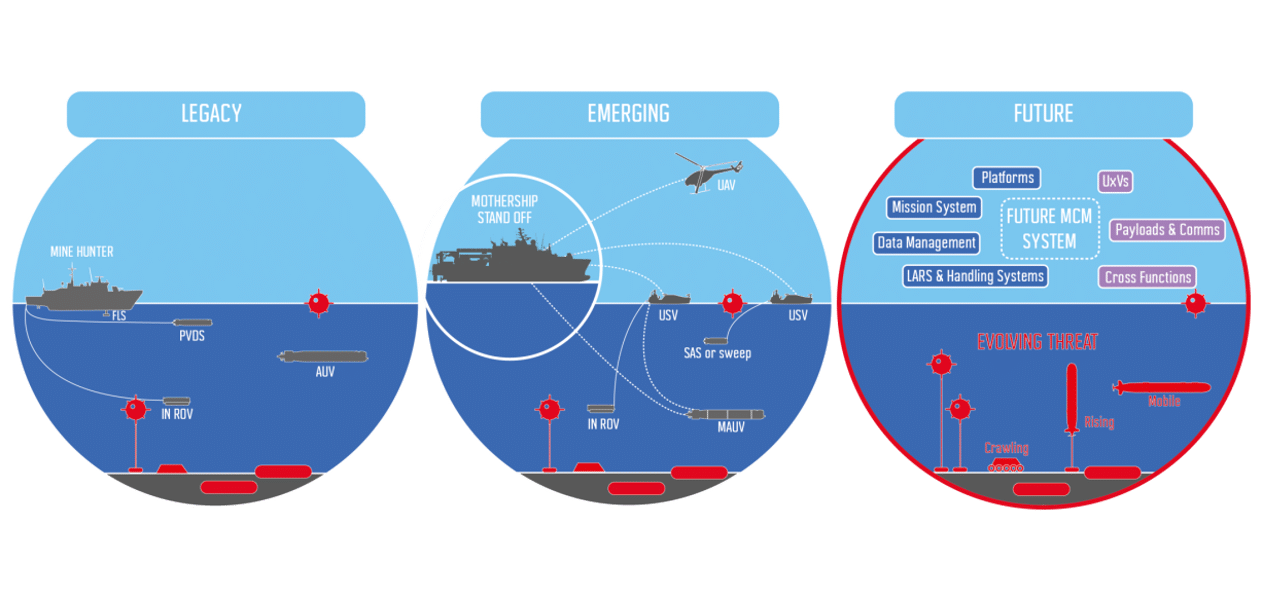
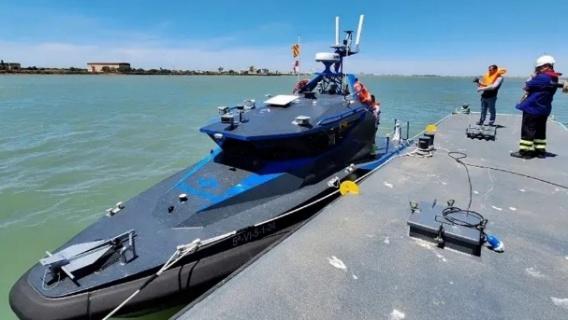
UTEK will focus on autonomous surface vehicles (USVs), extending the system’s surveillance and coverage area while also providing inspection capabilities.
Iqua Robotics will be responsible for the development of autonomous underwater vehicles (UUVs), which will carry out inspection, reconnaissance and intervention tasks involving underwater targets and infrastructure.
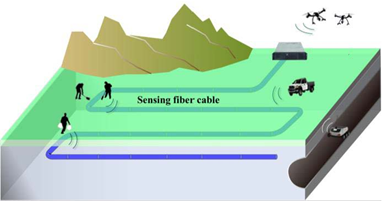
Aragon Photonics will contribute its expertise in HDAS fibre-optic distributed acoustic sensing technology, which enables acoustic events to be detected along subsea communications networks over distances of tens of kilometres.
FYLA will contribute its capabilities in underwater optical communications technologies, facilitating the exchange of information between the different assets deployed below the surface.
Finally, Sateliot will provide satellite communications and information systems to extend coverage and support the system’s distributed operations.
The signing of the agreement marks a first step towards building a Spanish industrial and technological ecosystem around SIPRIS, capable of addressing emerging surveillance requirements in the underwater domain. By integrating complementary capabilities, the partners will work towards a common, modular solution designed to evolve and incorporate new technologies as operational requirements emerge.
SIPRIS is conceived as an open initiative, allowing other Spanish companies, technology centres and industry stakeholders to join progressively, bringing complementary capabilities and helping to expand persistent surveillance across the underwater domain.
The agreement will align the partners’ efforts and facilitate operational demonstrations as well as joint integration and validation activities ahead of bringing the solution to market. In doing so, the Spanish defence industry will further strengthen its competitive position and establish itself as a leading player in a highly specialised field accessible only to countries with the most advanced technological capabilities.